Battery Monitor IC: Ensuring Efficient and Safe Power Management
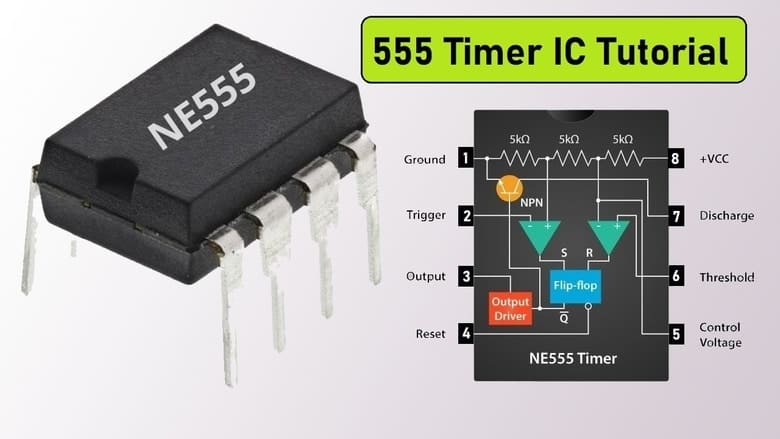
In today’s electronics-driven world, battery monitor ICs play a vital role in maintaining efficient and safe operation of rechargeable and portable devices. From smartphones and laptops to electric vehicles and renewable energy systems, these ICs monitor the state of the battery, manage charge and discharge cycles, and protect against overvoltage or undervoltage conditions. A battery monitor IC is essentially a compact semiconductor device that tracks voltage, current, and temperature to ensure optimal battery performance and longevity.
Modern battery monitor ICs are designed to support high precision and reliability, enabling engineers to implement sophisticated battery management systems (BMS). These devices are crucial in applications ranging from consumer electronics and industrial machinery to automotive systems and energy storage solutions. If you’re exploring technical principles, the Battery article on Wikipedia provides a comprehensive overview of how battery technology works and its evolution over time.For a wide selection of battery monitoring and power management ICs, YY-IC offers reliable components from leading manufacturers, supporting everything from low-power portable devices to high-capacity industrial batteries.
What is a Battery Monitor IC?
A battery monitor IC is an integrated circuit that continuously monitors a battery’s parameters to ensure safe and efficient operation. Typical functions include:
- Voltage monitoring to prevent overcharge or deep discharge.
- Current sensing to measure battery usage and charging efficiency.
- Temperature monitoring to prevent overheating and thermal runaway.
- Communication with microcontrollers or system controllers to report battery status.
These ICs are often used in conjunction with battery management systems (BMS) to optimize battery life, improve efficiency, and enhance device safety.
Common Models of Battery Monitor ICs
Several battery monitor ICs are widely used in electronics and industrial applications:
- MAX17043/MAX17044 – Single-cell fuel gauge ICs that provide accurate battery capacity estimation without requiring external sense resistors.
- BQ76920 – A multi-cell battery monitor IC suitable for lithium-ion battery packs, supporting protection and monitoring features.
- LTC2942 – Measures charge, voltage, and temperature for single-cell batteries, ideal for portable equipment.
- SMBus-compatible MAX17055 – Advanced fuel gauge IC offering precise state-of-charge reporting for lithium-ion batteries.
- ISL94202 – Battery monitoring IC for high-current applications such as electric vehicles and energy storage systems.
These models illustrate the versatility of battery monitor ICs, ranging from consumer electronics to industrial-grade energy applications.
Applications of Battery Monitor ICs
Battery monitor ICs are integral to multiple sectors:
- Consumer Electronics: Ensures smartphones, tablets, and laptops operate safely and efficiently.
- Automotive Systems: Monitors batteries in electric vehicles (EVs) and hybrid vehicles to optimize performance and safety.
- Energy Storage Systems: Tracks charge and discharge cycles in solar and renewable energy battery banks.
- Industrial Equipment: Protects and monitors batteries in UPS systems, portable machinery, and IoT devices.
By providing real-time monitoring, battery monitor ICs prevent failures, improve battery lifespan, and reduce maintenance costs.
Factors to Consider When Selecting a Battery Monitor IC
When choosing a battery monitor IC for your project or system, consider the following:
- Voltage and Current Range: Ensure compatibility with the battery chemistry and system requirements.
- Number of Cells Supported: Single-cell or multi-cell configurations depending on the application.
- Communication Protocols: SMBus, I²C, or SPI interfaces for system integration.
- Accuracy and Precision: High-resolution measurements are critical for safety and efficiency.
- Thermal Protection: Built-in safeguards against overheating.
Advantages of Using Battery Monitor ICs
The integration of battery monitor ICs brings significant benefits:
- Enhanced Safety: Prevents overcharge, deep discharge, and thermal events.
- Improved Battery Life: Optimizes charging and discharging to extend overall lifespan.
- Accurate Measurement: Provides precise state-of-charge, voltage, and current readings.
- System Efficiency: Supports intelligent battery management and power optimization.
Conclusion
Battery monitor ICs are essential components for ensuring the safe, efficient, and reliable operation of modern electronic devices. From consumer gadgets to automotive systems and industrial energy solutions, these ICs allow engineers to manage battery performance intelligently while safeguarding the system.
For engineers and designers seeking high-quality battery monitoring solutions, YY-IC provides a wide range of reliable integrated circuits for all types of applications. These components are indispensable in powering today’s smart, efficient, and safe electronic devices.
